
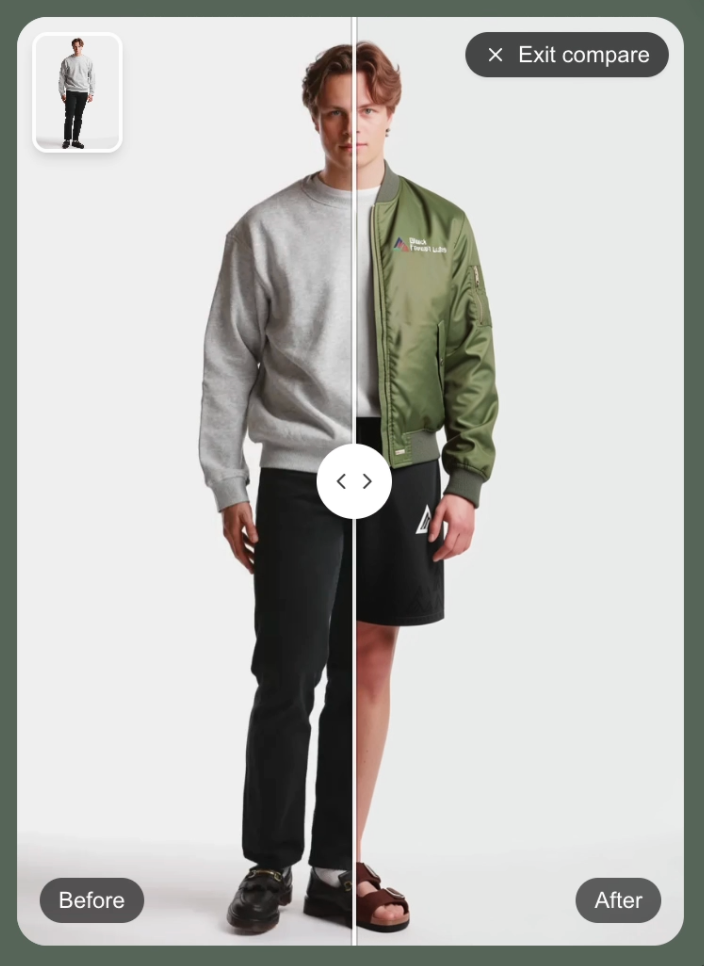
FLUX VTO: Black Forest Labs Launches Virtual Try-On for Catalog-Scale Fashion
Black Forest Labs has launched FLUX VTO, a virtual try-on model built for catalog-scale fashion workflows with sub-4-second generation, identity preservation, garment detail fidelity, and multi-item outfit support.
admin
Black Forest Labs released FLUX VTO, its new virtual try-on model, on May 28, 2026. The launch is notable because it is not positioned as another novelty image-editing demo. FLUX VTO is aimed at a harder commercial problem: helping fashion and retail teams generate realistic try-on previews at catalog scale while preserving the person, the pose, and the details that make a garment recognizable.
That last part matters. In fashion ecommerce, a try-on result is only useful if shoppers and brands can trust it. If the model changes the face, distorts the body, erases a logo, smears a print, or loses stitching and hardware, the image may look impressive but fail as product content.
What FLUX VTO Brings
FLUX VTO focuses on production-facing metrics rather than only visual appeal.
The first headline is speed. Black Forest Labs says FLUX VTO can generate results in under 4 seconds, compared with many virtual try-on systems that take 10 to 30 seconds. The company also says self-hosted deployments can reach sub-second latency, which is important for interactive ecommerce experiences.
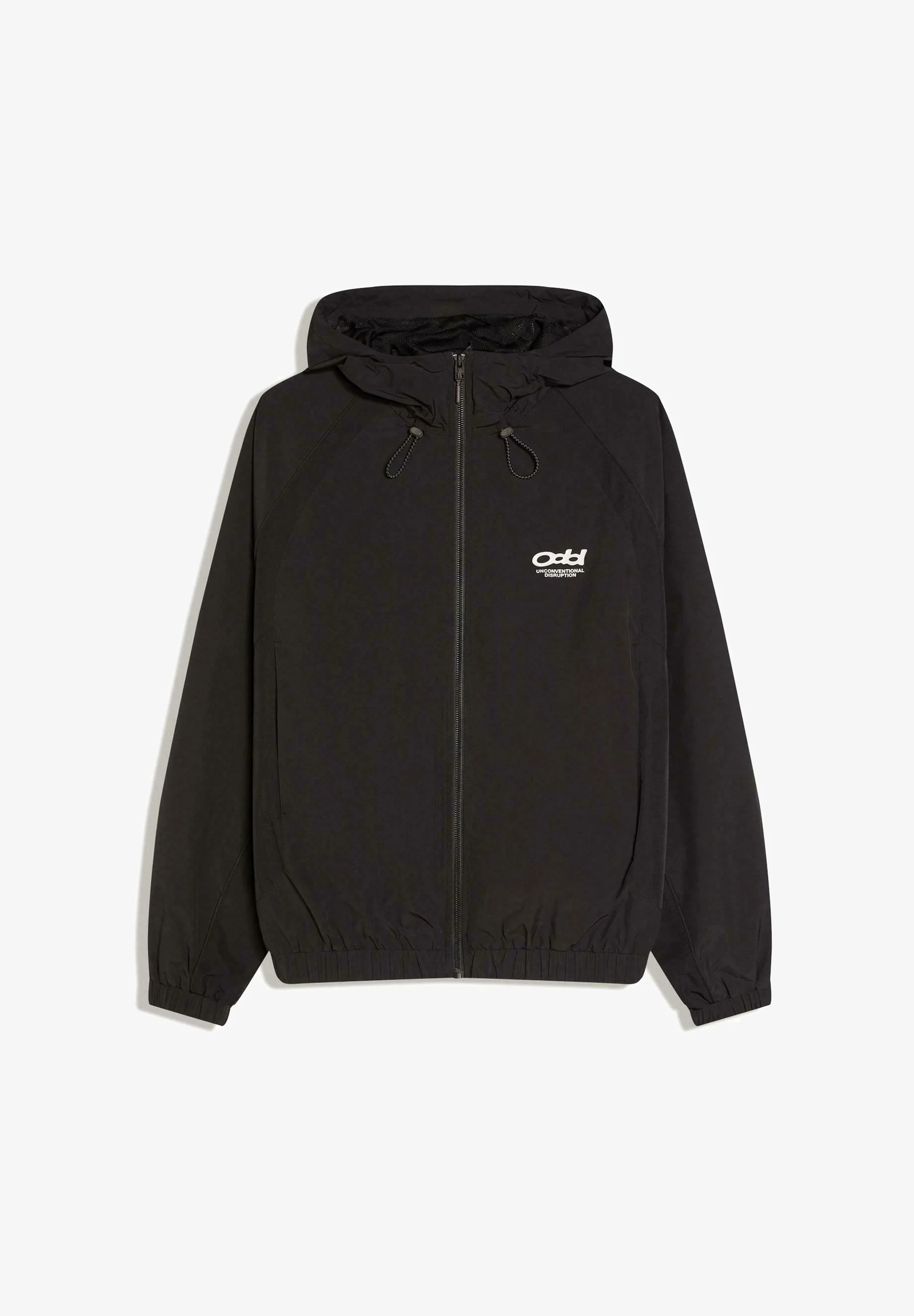
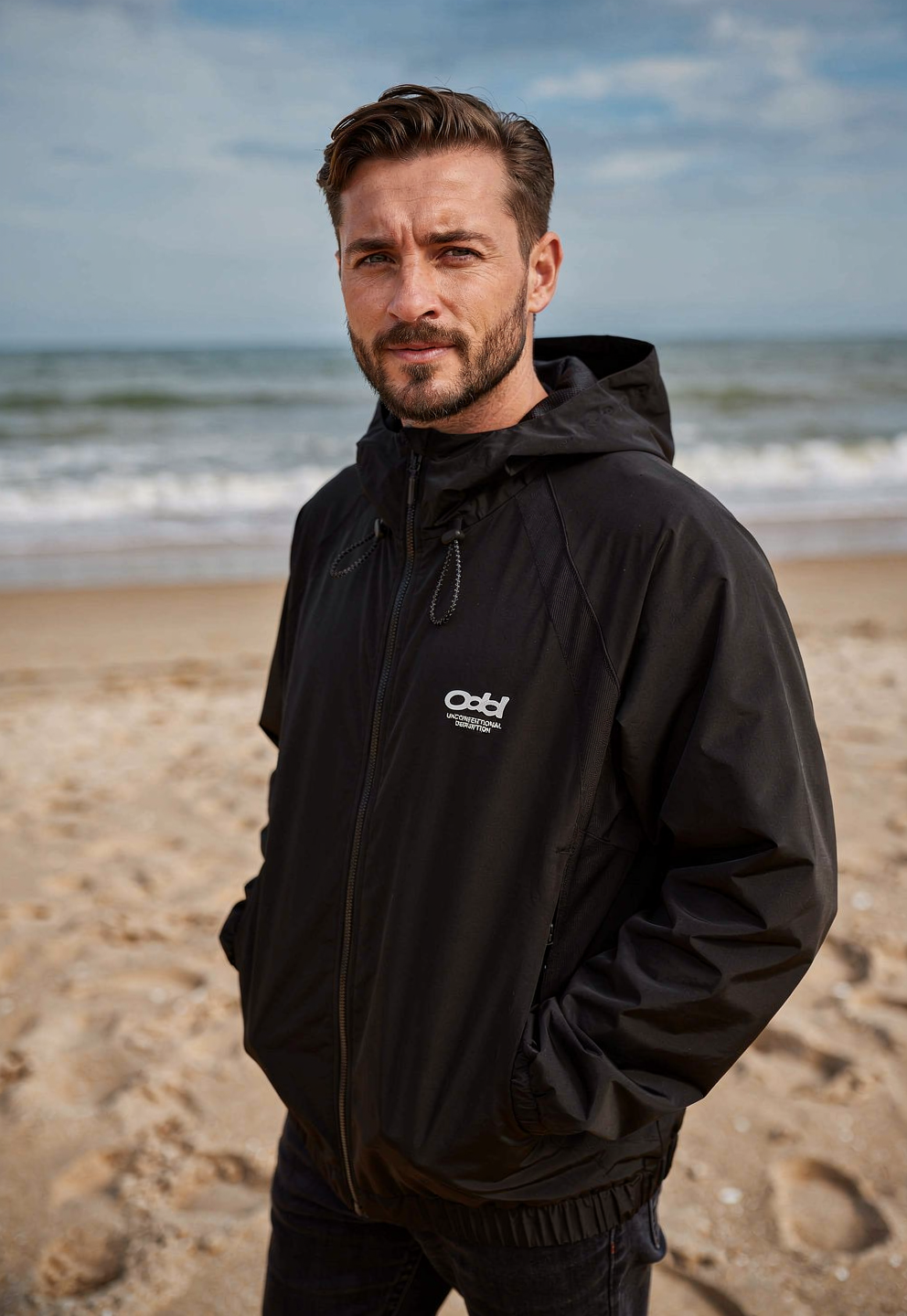
The second headline is fidelity. FLUX VTO is designed to preserve the person’s identity while keeping garment details such as logos, prints, stitching, and hardware intact. For ecommerce, this is not a cosmetic improvement. It is the difference between a fun generated image and something that can support a purchase decision.
The third headline is outfit composition. FLUX VTO supports applying up to four garments to the same model, including full-outfit transfer and single-item transfer. That means it can handle layered styling scenarios, such as placing a shirt under a jacket, instead of treating clothing as a flat texture pasted onto a body.
Why This Release Matters
Virtual try-on is one of the most obvious use cases for AI image editing, but it is also one of the hardest to make useful in real retail workflows. The challenge is not just image quality. It is latency, cost, identity consistency, product accuracy, and safety.
If each try-on takes half a minute, users will not test multiple items in a product page flow. If each image costs too much, retailers will not apply it across thousands of SKUs. If garment details drift, brands will not trust the output as product-facing content.
FLUX VTO is interesting because it frames virtual try-on around those operational constraints. The model is not only for creators who want a single striking image. It is clearly aimed at online fashion retail, advertising production, styling previews, and outfit recommendation systems.
How It Relates to FLUX.2
FLUX VTO builds on the broader FLUX.2 image generation and editing stack from Black Forest Labs. FLUX.2 emphasizes multi-reference image control, character consistency, product placement, precise color control, and outputs up to 4MP. The official documentation also lists fashion editing, accessory changes, garment recoloring, and clothing try-on as key editing use cases.
In that context, FLUX VTO looks like a vertical productization of FLUX.2’s editing strengths. Instead of trying to cover every image editing task, it narrows the workflow to “person plus garment” and optimizes for speed, consistency, and integration.
Best-Fit Use Cases
For ecommerce teams, the most direct use case is product-page try-on. A shopper could preview a top, jacket, pair of pants, or full outfit on themselves or on a selected model before purchasing.
For brands and marketing teams, FLUX VTO can help create outfit previews, lookbook drafts, ad concept tests, and social media variants. It does not fully replace photography, but it can make early visual exploration much faster.
For developers, FLUX VTO is best understood as an embeddable image-editing capability. Black Forest Labs says the model is publicly available through documentation, a free interactive demo, the BFL API, and FLUX MCP support. In a production product, it should usually sit behind an asynchronous workflow: upload the person and garment images, submit the generation task, poll or receive a callback, then store the final image in your own media layer.
Limits and Safety Considerations
Black Forest Labs is clear that FLUX VTO is meant for visual style, silhouette, and outfit previewing, not precise sizing. It can help answer “How might this jacket look on this person?” It should not be treated as a reliable answer to “Will this exact size fit?”
Safety and consent are also central. The default safety policy does not support swimwear or underwear. Uploaded content must follow standard safety rules, including restrictions around adult sexual content, child sexual abuse material, non-consensual or explicit content, dangerous content, and abusive or distressing material. The company also says users should upload only their own photos or images where they have clear rights to use the subject’s likeness.
Those constraints are important for any production implementation. Virtual try-on deals with real people, body imagery, and personal likeness. A serious product should include user consent, content moderation, deletion controls, clear storage policies, and abuse reporting from the start.
What This Means for AI Fashion Tools
The most important thing about FLUX VTO is not that it can generate a clothing preview. Many systems can do that. The more important shift is that Black Forest Labs is pushing virtual try-on toward a workflow that can plausibly fit real ecommerce operations: faster generation, stronger garment fidelity, support for multi-piece outfits, and clearer deployment paths.
For teams building AI fashion tools, the practical question is no longer simply whether virtual try-on is possible. The question is whether it is fast enough, accurate enough, affordable enough, and safe enough to become part of the buying journey.
FLUX VTO is a meaningful step in that direction.
Sources
- Black Forest Labs official announcement: https://bfl.ai/blog/flux-vto-virtual-try-on-at-catalog-scale
- Black Forest Labs FLUX.2 model page: https://bfl.ai/models/flux-2?id=Flux.2
- Black Forest Labs fashion editing documentation: https://docs.bfl.ai/guides/usecases_editing_clothing_tryon
- Official cover image CDN: https://cdn.flux2pro.org/blog/flux-vto-virtual-try-on/cover.png
- Official garment reference image CDN: https://cdn.flux2pro.org/blog/flux-vto-virtual-try-on/garment-reference.png
- Official try-on result image CDN: https://cdn.flux2pro.org/blog/flux-vto-virtual-try-on/try-on-result.png